The Loneliest Planet (2011)

The Loneliest Planet / Julia Loktev / 2011 / 

Active Ingredients: Location photography; Acting
Side Effects: Thin material; Uninteresting drama

Visually, there’s a lot to like about Julia Loktev’s The Loneliest Planet. Craggy mountains protrude out of vast green fields in Georgia’s Caucasus mountains and Loktev’s cinematography beautifully captures the varied Eastern European terrain. It’s a stark landscape, not exactly postcard perfect, but its blemishes and unevenness only make it more compelling. The surprisingly mobile camera climbs and tracks its way across the terrain, capturing its textures and rhythms. Loktev hopes to find in this landscape an echo of the strained relationship of her characters, and it’s here that the film ultimately fails. Read more…

Melancholia (2011)

Melancholia / Lars von Trier / 2011 / twostar

Active Ingredients: Metaphor for depression; Operatic overture; Music
Side Effects: Acting; Unconvincing characters

A mysterious planet hidden in the night’s sky coyly reveals itself to be on a collision course with Earth, leaving the affluent family hunkered down on a country estate to come to terms with their inescapable fate. There’s no way out until the mass in the sky blots out their world. Lars von Trier’s Melancholia is built upon this very strong and effective metaphor for crippling depression, but he’s unable to render the theme exact and vivid beyond this central device. Read more…

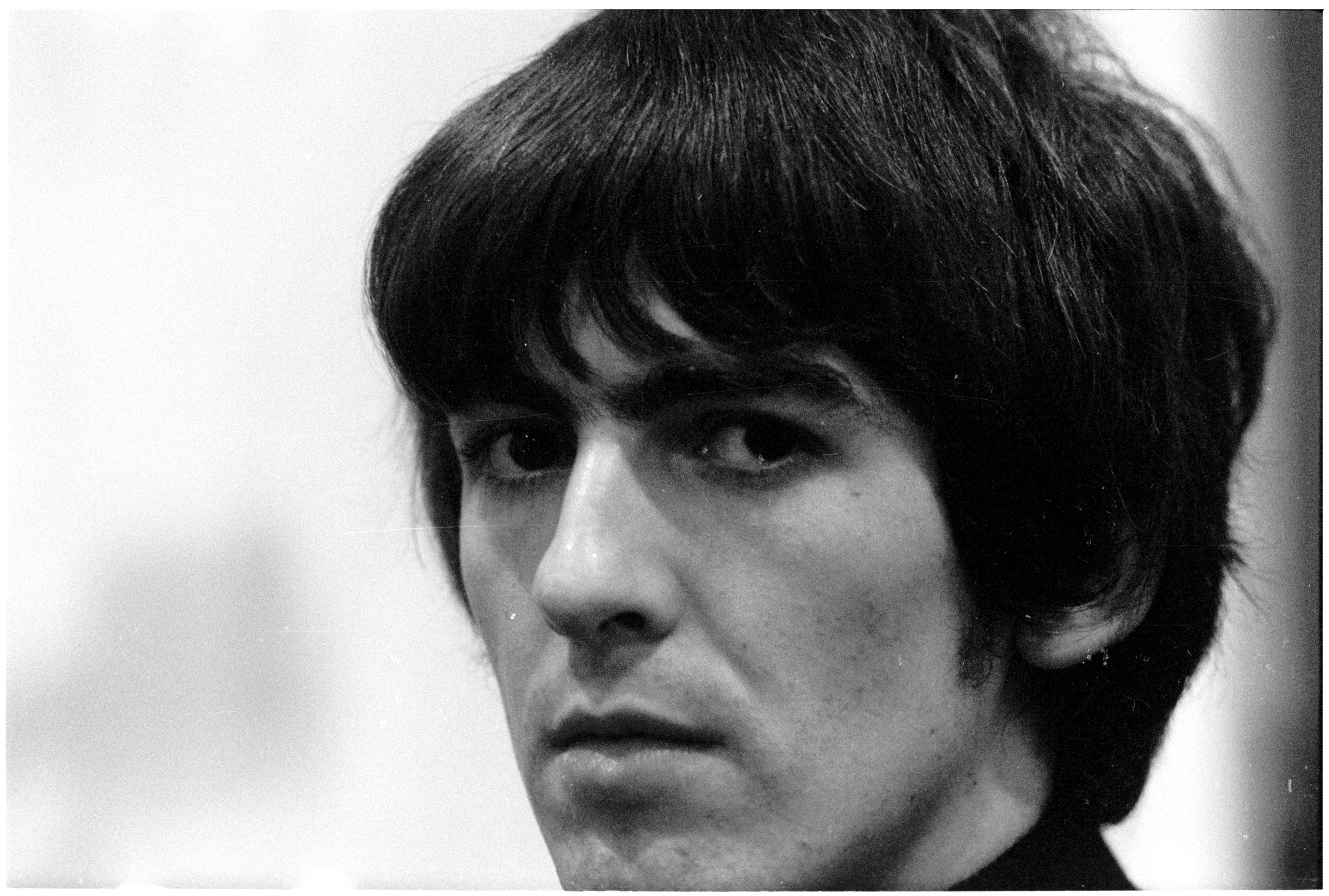
George Harrison: Living in the Material World (2011)

George Harrison: Living in the Material World / Martin Scorsese / 2011 / threestar

Active Ingredients: Rare archival material; Thoroughness; George’s search for beauty
Side Effects: Conventional style; Exploration of George’s dark side

Robert Whitaker, courtesy of HBO

It’s often said that George Harrison was the “quiet” Beatle. He didn’t have the magnetism or the mercurial relationship of John and Paul, nor did he have the flamboyance of Ringo, but when it comes to the passions he pursued and the friendships he maintained throughout his life, George was anything but quiet. In fact, Martin Scorsese’s three and a half hour documentary posits that to the people he loved and to millions around the world, George’s example spoke the loudest of all. Read more…

Celebrating World Cinema at the MFA

This Friday, The Museum of Fine Arts in Boston begins its new film series Celebrating World Cinema, featuring a variety of films culled from the museum’s other international festivals and programs. The curators of the series hope to present a sampling of the global culture represented in the films, and although The Lips and Lights Out are very different, they do share a focus on faithfully representing one particular society of their corner of the world: for Ivan Fund and Santiago Loza, directors of the docu-fiction hybrid The Lips, it’s the poor citizens of a countryside Argentine town, while Lights Out‘s Fabrice Gobert explores the social lives of rich teenagers in a French high school—and the murder mystery they find themselves in.

Read more…

Dear Zachary: A Letter to a Son About His Father (2008)

Dear Zachary: A Letter to a Son About His Father / Kurt Kuenne / 2008 / onestar

Active Ingredients: Dramatic, emotional story
Side Effects: Flashy editing; Manipulation

How can you criticize a documentary for its story? If the material feels unbelievable, well, that’s how it really happened. Documentaries, it seems, come with a built-in defense against criticism: the veil of veracity. If the plots of narrative films, on the other hand, are overly dramatic or sentimental, it’s fair game for critics’ disapproval. I think documentaries must be judged with by the same criteria as other films. As Martin Scorsese said, “cinema is matter of what’s in the frame and what’s out.”

Dear Zachary is a film about murder, tragedy and evil, and I find it overwrought and gallingly manipulative. Read more…

Le doulos (1962)

Le doulos / Jean-Pierre Melville / 1962 / threestar

Active Ingredients: Jean-Paul Belmondo; Complex plot
Side Effects: Strained tone; Exposition

With Le doulos French great Jean-Pierre Melville attempts to exploit the “cool” aesthetic of film noir, the French New Wave and his star Jean-Paul Belmondo, but while the shadows, trenchcoats and revolvers typical of the genre are present, something of its luridness and immediacy is missing. Even compared with Melville’s later Le cercle rouge (1970), already years removed from the New Wave noir that Melville practices here, Le doulos lacks the discipline and light touch needed to achieve true “cool”. The film’s plot is convoluted, and while the wrinkles unravel nicely (except for one long scene of exposition), the full scope of the story inspired ambivalence. Read more…

Finding An Audience for Short Films

Now in it’s 3rd year, The Online New England Film Festival offers a slate of short films, all with a connection to the region. The festival begins streaming the 20 short films online, for free, today. Four of the selected filmmakers share their thoughts on the difficulty of producing short films and, in particular, the changing landscape of the shorts market and the challenges of finding an audience for the form.
Alfred Thomas Catalfo’s “Bighorn”

The Online New England Film Festival begins today, but for many of the filmmakers involved, the process of marketing their films and submitting them to festivals began long ago. Daniel Persitz was invited to the festival after his short, Alex’s Halloween (starring Jane Lynch), played at the Rhode Island International Film Festival and 13 other fests across the country. For other filmmakers, this festival is just the beginning, but all agree that its format is unique.

“I see it as a good model for a festival of the future,” says Alfred Thomas Catalfo, director of Bighorn. Persitz echoes the sentiment. “Modern audiences have become so computer savvy and watch so much content online, so I think it’s a great idea to have a festival that caters to that kind of viewing experience,” he says. “I’m really excited to be involved with a festival that’s trying something new and addressing the huge technological change that’s happening out there.” For two-time festival invitee Shawn Harmon, director of Rootbound, however, “it lacks that audience feel. There is something so satisfying about hearing 30 plus people laugh right when you wanted them to.” Still, Harmon recognizes the advantages of curating a film festival online. “A lot of people who might not take the time to get out of the house and drive 30 minutes or more to a theater-based festival could be more easily inclined to make a few clicks to get to this online festival,” he says. “I think it’s great for shorts.” Read more…

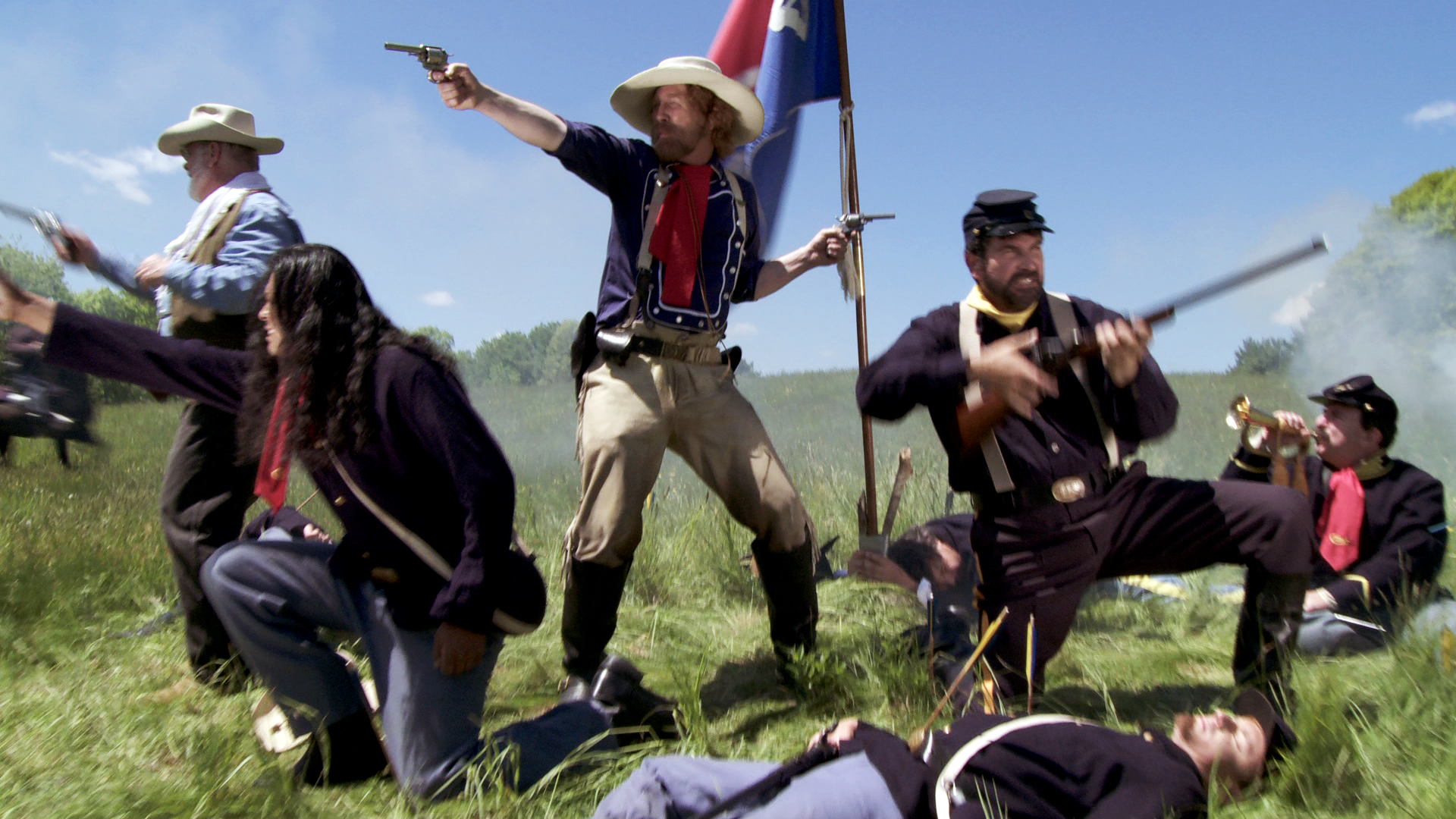
A Horrible Way to Die (2011)

A Horrible Way to Die / Adam Wingard / 2011 / threestar

Active Ingredients: Characters; Pacing; Dramatic story
Side Effects: Distracting cinematography; Lack of suspense

Horror films today, it seems, focus almost exclusively on situation, completely neglecting character. Perhaps it’s nothing new. The slasher films of the 70s and 80s, even the good ones, are known for atmosphere and suspense rather than compelling characters. Maybe it’s the impressive indie pedigree of A Horrible Way to Die, then, and not its horror elements that account for its attentive portrayal of effective characters and the story they’re involved in. Read more…

Deleted scenes shed light on Uncle Boonmee’s mysteries

Earlier this year, I enthusiastically reviewed Apichatpong Weerasethakul’s beautiful, hypnotic, Magical Realist fantasy Uncle Boonmee Who Can Recall His Past Lives. It won the coveted Palme d’Or at 2010’s Cannes Film Festival, but even among festival circuit cineastes there were those who decried it as unfocused and opaque. For me, the film—and all of Apichatpong’s work—can be difficult, but his unpretentious, meditative pace rewards the viewer who works to connect his images. Now that the film has come out in a sumptuous Blu-ray release, more will have the opportunity to explore Uncle Boonmee. The clarity of the film’s deep, dark jungle hues are no surprise, but the near 30 minutes of deleted scenes are a revelation, offering insight into elements of the story left unspoken in the finished film. Read more…

Fright Night (2011)

Fright Night / Craig Gillespie / 2011 / threestar

Active Ingredients: Casting; Highway scene; Horror/comedy ratio
Side Effects: Rushed ending; Peter Vincent character

Like the 1985 original, this year’s remake of Fright Night understands that the primary ingredient in any good horror film must be fun. The original film was just one of a slew of great campy 80s classic that added a healthy dose of comedy to the dependable thrills of the horror genre. Happily, Craig Gillespie’s remake keeps to this formula, and, after almost a decade of grim torture porn, the loose, unselfconscious fun this film delivers is a true breath of fresh air. Read more…