Suspiria (1977)

Suspiria / Dario Argento / 1977 / fourstar

Active Ingredients: Palpable mood; Music; Set design
Side Effects: No scares; Unnecessary exposition
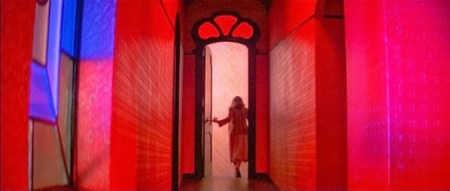
How important to a film is its story? Your answer to that question could determine your enjoyment of Suspiria. Dario Argento’s twisted tale of a creepy dance academy/witches coven does tell a story, a very simple one, but it’s more interested in creating and sustaining mood. Typically, great films ensure that each scene further their stories. Suspiria, however, is a great film because each scene meticulously contributes to its cumulative mood and tenor. In a strange way, Suspiria is just as tight and cohesive as any film, but it follows a logic all its own. Read more…

Somewhere (2010)

Somewhere / Sofia Coppola / 2010 / fourstar

Active Ingredients: Patience; Cinematography; Inviting pace
Side Effects: Erratic performances; Occasional over-sentimentality

interview_somewhere_writer_director_sofia_coppola_1292905298

How do films allow us to understand their characters? Clumsy films rely on naked exposition; others allow plot to expose characters. Sofia Coppola’s films, on the other hand, use patient observation. The tactic may alienate some viewers, but those willing to submit to her pace and rhythm are often rewarded. Read more…

Rosemary’s Baby (1968)

Rosemary’s Baby / Roman Polanski / 1968 / fivestar

Active Ingredients: Great ensemble cast; Pacing and plotting; Sinister suspense
Side Effects: More quietly unsettling than truly frightening

Hitchcock may have been the master of suspense, but Roman Polanski, at his best certainly has a masterly grasp of the craft. Polanski’s suspense tends to be darker than Hitchcock’s, more macabre and devilish, undertones which are beautifully displayed in his masterpiece Rosemary’s Baby. There’s a workmanlike quality to the way Polanski casts a spell over the audience (the same craft is on display in last year’s The Ghost Writer), but his skill and precision belie the strong personal stamp he puts on his work. Read more…

The Top 10 Films of 2010

Our Beloved Month of August

1) The Social Network The Social Network has garnered much praise this year, with many critics proclaiming it something along the lines of “the film of our times”. While I’m about to laud the movie even more, I wouldn’t go that far. In fact, the great strength of The Social Network is that it doesn’t rely on an affected importance of Facebook or “our times” to create drama. Instead it brilliantly and methodically builds its own drama, constructs its own importance. The film is rich enough to support any theory about its depiction of a uniquely 21st century brand of greed, ambition or genius, but more importantly it succeeds on its own merits. In the backlash that’s sure to come from the extraordinary praise The Social Network has gotten this awards season, we should not forget that, more than a movie about our times, this is just as unapologetically smart, exciting and entertaining a film as you’re likely to see.

Read more…

TRON: Legacy (2010)

TRON: Legacy / Joseph Kosinski / 2010 / twostar

Active Ingredients: Daft Punk; Action setpieces
Side Effects: No sense of wonder; Michael Sheen; Sagging energy; 3D

1982’s TRON is fondly remembered today for its quaint computer animation and its even quainter awe of technology. Though its been parodied and mocked over the years (Family Guy’s light cycle send-up was particularly inspired), TRON holds up thanks to the creativity that animates every frame. Unlike other ‘80s films, it doesn’t wink at its audience, but rather charms with its awkward sincerity. In an effort to update the film, 2010’s TRON: Legacy has unfortunately traded in the campy fun of its predecessor for insipid, intermittently-successful modern effects. Read more…

True Grit (2010)

True Grit / Joel & Ethan Coen / 2010 / threestar

Active Ingredients: Bridges, Damon; Light tone
Side Effects: Dialogue; Slight story

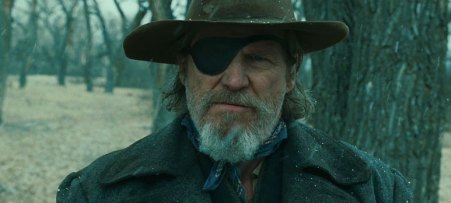
Tone is always important to a Coen Brothers film. From The Big Lebowski to No Country for Old Men, all their work is precisely poised somewhere along the spectrum between comedy and drama. Some of their films fall more squarely in one camp than the other, but the Coen Brothers always find the right balance for each project. True Grit is no different, though perhaps it’s harder to identify just what pitch they had in mind. Read more…

Kings and Queen (2004)

Kings and Queen / Arnaud Desplechin / 2004 / fourstar

Active Ingredients: Acting; Emotional honesty; Stylized direction
Side Effects: Length; Dialogue-heavy script

kings2-590x308

Like the best Woody Allen films, Kings and Queen boldly endeavors to blend the tragedy and comedy of life. It’s not enough to simply mix tones or narrative perspectives, however, it takes a dedication to finding truthful moments to make this premise succeed. Whether a scene is designed to provoke tears or laughter, it always lovingly foregrounds the rocky emotional terrain of his characters. Nora, sincere but uptight, is losing her father to cancer and struggling to connect with those whom she loves or once loved. Meanwhile, her ex-husband Ismaël—intense, ornery and unhinged—is unwillingly committed to a psychiatric hospital. His hilariously eloquent and frustrated outbursts at his Kafka-esque predicament recall Withnail and I. Like that film, Kings and Queen is funny because its comedy comes from the well-observed desperation of its characters. Ismaël is adrift just like Nora, only the film depicts it by emulating his sarcasm and wit. Read more…

Enter the Void (2010)

Enter the Void / Gaspar Noé / 2010 / onestar

Active ingredients: Bright colors
Side effects: Empty provocation; Horrific images; Bad acting; Half-baked ideas

In Enter the Void, provocateur Gaspar Noé wages all out war on the senses, intelligence and good taste. The film begins, after a retina-searing, seizure-inducing credit sequence, with a hallucination. Our exceedingly bland protagonist smokes strong drugs in his neon-soaked room and drifts away. The long scene of abstract shapes and colors that follows is the best part of the film. It’s like the iTunes visualizer on a higher budget. After that, our hero wanders through more neon-soaked streets, gets shot, dies, becomes a spirit and drifts through scenes of his life and his beloved sister’s future. Read more…

127 Hours (2010)

127 Hours / Danny Boyle / 2010 / threestar

Active Ingredients: Kinetic energy; James Franco; Variety of styles
Side Effects: Lack of subtlety; Direct moralizing; Music choices

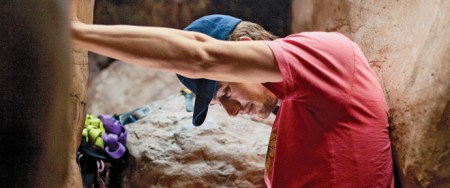
Danny Boyle makes films that move. His films are at their best when they’re visceral and kinetic, bursting with nervous energy, and hiker Aron Ralston’s story is just the right pitch for Boyle. After all, there’s nothing subtle about self-inflicted amputation. Predictably, the best moments of 127 Hours are the same hyper-active highs that animate Trainspotting: quick cuts, creative camerawork and an edgy attitude. Boyle wisely mixes these frantic scene with moments of patience, and he exhibits a keen feel for rhythm and pacing, finding an ebb and flow to match Aron’s emotions. While he experiments with a nice variety of paces, Boyle struggles with the quiet beats. When it’s time for Aron to learn a lesson, for example, his revelations are blunt and obvious, rather than arising naturally from the strange serenity of his solitude. Read more…

The Stranger (1946)

The Stranger / Orson Welles / 1946 / threestar

Active Ingredients: Orson Welles; Lighting; Dark tone
Side Effects: Abrupt ending; Simplicity; Choppy editing

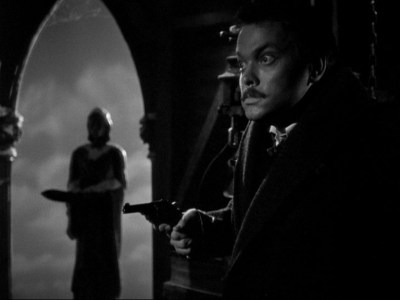
Before The Stranger, Orson Welles had directed two masterpieces, neither of which were embraced by the public. Both were made amidst controversy, artistic squabbles and studio intervention. For his third directorial effort, the former wunderkind – very much against his nature – decided to play nice and create a crowd pleaser, deferring to the studio on all artistic differences. Consequently, The Stranger is Welles’ most facile work, yet it’s not without its pleasures. Read more…