Ashes (2012)

AshesApichatpong Weerasethakul / 2012 /

Active Ingredients: Strong sense of mood; Layered, abstract images
Side Effects: Inconsistent use of sound; Digital finale

Ashes is Thai director Apichatpong Weerasethakul’s experimental short created using the LomoKino camera, a small, hand-cranked device that creates dynamic, kinetic images. The camera is a good match for Apichatpong, a filmmaker interested in process, free-flowing creativity and natural beauty. Ideas seem to overflow in his work, unpredictable both formally and narratively. Many of his films, for example, feature sequences comprised of still photographs, and the LomoKino allows Apichatpong to experiment with this stop motion effect, shooting fragments of everyday life either at full speed or in a jumpy collage of animated stills. Read more…

Mourning (2012)

Mourning / Morteza Farshbaf / 2012 /

Active Ingredients: Control over sound and image; Revelation of information
Side Effects: Incomplete ending; Restrictive locations

A protegee of Abbas Kiarostami‘s, Moretza Farshbaf exhibits much of the Iranian master’s control and restraint in his debut film, Mourning. Don’t let the title fool you though, Mourning is a vital film, fully realizing the lives of its three central characters. Narratively, it feels neither sombre nor restrictive; on the contrary, the great success of Mourning is how deliberately and convincingly it expands, taking a simple story and opening it up to nuance and complexity, allowing the audience to enter into the world of the film where there are no easy answers. Read more…

Rampart (2012)

Rampart / Oren Moverman / 2012 /

Active Ingredients: Woody Harrelson; Well-observed character study
Side Effects: Performances by the family; Some stylistic experiments

rampart_1330290074_crop_550x365

Oren Moverman’s gritty character study Rampart is a seething slow burn just like the morally compromised cop at its core. It  contracts and expands along with Woody Harrelson‘s David Brown, mirroring his rising anger, frustration and sadness in the way it pitches each scene. It opens, for example, dangerously slow with Brown eating fries with his partners. It’s a banal scene, filmed from a distance and could almost pass for something out of Super Troopers (Harrelson would have been great in that!). Soon, however, we begin to grow accustomed to Rampart‘s rhythms, ping-ponging between the violent, hateful cop and desperate father and family man trapped within the same person. Read more…

The Avengers (2012)

The Avengers / Joss Whedon / 2012 /

Active Ingredients: Split time between heroes; Individual arcs; Hulk
Side Effects: Villains; Humor; Samuel L. Jackson; Pacing

It seems obvious now that The Avengers was going to be a huge success. Drawing on fans of both the previous Marvel Comics films and of writer/director Joss Whedon, the film has shattered box office records. There’s no doubt The Avengers was intricately planned, with belabored tie-ins in multiple films all culminating in one action epic. Still, it surprised me that the film works as well as it does. Read more…

Alien (1979)

Alien / Ridley Scott / 1979 /

Active Ingredients: Dense atmosphere; Restrained pace; Creature design
Side Effects: Jump scares

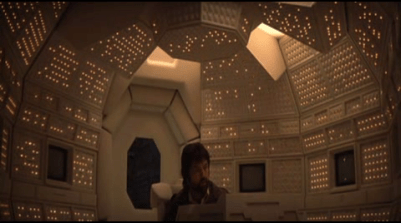
Alien or Aliens? It seems like everyone has to choose one, and the last twenty years or so of blockbusters makes James Cameron’s action sequel look influential and prescient. Really, though, the two films couldn’t be more different, and for me Ridley Scott’s tension built from a combination of intricate production design and uncommon patience far surpasses Cameron’s cheesy machismo. Read more…

The Double Hour (2011)

The Double Hour / Giuseppe Capotondi / 2010 /

Active Ingredients: Unpredictability; Characterization of two leads
Side Effects: A few too many twists, dead ends

The Double Hour is a twisty Italian thriller, dangerously proud of its own intricate design but ultimately saved by delivering a solid character drama that most genre films forgo. The film is often compared to Tell No One, but the differences between the films illustrate where The Double Hour succeeds and the earlier French thriller fails. The story revolves (and that is the correct word) around Sonia, a Slovenian immigrant living and working as a hotel maid in Turin, Italy. She seems lost, mysterious, a bit opaque. She tries speed dating to fill some void in her life, but even then is reluctant to let others in. She recognizes her own trust issues in Guido, and finally allows herself to hope for a better life—until a violent encounter sends Sonia and the film reeling, and calls into question everything we thought we knew earlier. Read more…

100th Post and the Future of Film Capsule

This is my 100th post on Film Capsule! It’s been a lot of fun writing so much about film the last year and I look forward to a lot more material to come. Some of the highlights for me have been attending and covering last year’s New York Film Festival, recording two podcasts with my friend Ian and getting the opportunity to meet and interact with other critics around the web.

I may have been a bit slow getting to my 100th post so this is the perfect forum to vow to reach 200 much faster! I plan to continue writing a mix of capsules on films new and old, and also to try out new features and segments. I recently linked to the new Film Capsule Vimeo page, and I hope to add more video content there in the future. I’ve also been working on a new design for the blog that I’m excited to implement soon.

Lastly, I’d really like to find more opportunities to interact with whoever’s reading, through comments, polls or other means. As always, I encourage any thoughts or feedback on content you’d like to see. And most importantly, thank you for reading and following, and remember to take two daily.

– John

Montage Film: The Classic Western Story

The Western is one of my favorite film genres. Something about the quintessentially American story that all Westerns tell has captivated audiences for over 100 years. Maybe its satisfying, consistent narrative arch resonated with the American creativity. Or perhaps the genre’s familiar symbols (guns, mountains, horses) are responsible. A cultural need to romanticize our country’s history may also account for the Western’s unique draw. Or just a longing for simple virtues and unbridled heroism.

In an effort to pay homage to the American story, to the Western, I created a montage film culled from 7 different Westerns from the genre’s creative highpoint, 1950-1960. This short film recreates the classic Western narrative with clips from the movies themselves. The lone hero, the guns, the whiskey, the women: the elements of America’s great film genre. Read more…

Dogville (2003)

Dogville / Lars von Trier / 2003 /

Active Ingredients: Deconstructionist conceit; Confrontational ending
Side Effects: Reality TV camerawork; Acting; Forced middle act

Dogville, like many of director Lars von Trier’s films, takes some adjusting. The film opens with the great Jon Hurt delivering storybook narration as we are presented with a map of Dogville, the stand-in for small town America. Except it’s not a map, it’s the town itself. The film takes place entirely on a sound stage where von Trier has constructed his mythical town, stripping it of features and baring its insides for us to see. The seemingly-harmonious town is thrown out of balance when a mysterious woman (Nicole Kidman) pursued by gangsters seeks refuge. The town harbors her, but not without demanding something in return, and what once seemed a peaceful community begins to devolve. Read more…

A Story of Floating Weeds (1934)

A Story of Floating Weeds / Yasujirô Ozu / 1934 /

Active Ingredients: Constructing setting through editing; Themes of modernity and family
Side Effects: Static staging of dialogue; Development of story

Japanese master Yasujirô Ozu’s early silent effort A Story of Floating Weeds is a delicate tale of tradition and family in a rapidly-changing world, and given the subject of a traveling troupe of actors, announcing the film as a “story” is apt. Interestingly, Ozu remade his own film in 1959, calling it simply Floating Weeds. While that later film is one of Ozu’s masterpieces, A Story of Floating Weeds feels closer to a dramatic narrative the film’s actors might put on. Read more…