Under the Skin (2014)

Under the Skin / Jonathan Glazer / 2014 / twostar

Active Ingredients: Bold imagery; Unsettling score and sound design
Side Effects: Lack of thematic weight; Use of non-actors

Jonathan Glazer’s Under the Skin is a difficult film to assimilate after seeing only once. It doesn’t offer answers, but rather tasks its viewers with unpacking its many narrative and thematic mysteries. This is a challenge I embrace from any filmmaker who respects his audience enough to issue it, and one that rewards multiple viewings, and yet I can only say that seeing Under the Skin once felt frustrating, unsatisfying and incomplete. Read more…

Ordet (1955)

Ordet / Carl Theodor Dreyer / 1955 / fivestar

Active Ingredients: Thematic provocation; Lighting and production design
Side Effects: Pace and theatricality can be challenging

ordet2010aftop100.jpg

[I owe a lot to Jonathan Rosenbaum’s piece for helping me unpack Ordet‘s mysteries.]

Ordet is a film of astounding grace, dignity and transcendence, cinematic attributes in service of a tender fable about grace, dignity and transcendence. Its impeccable construction and sophisticated style are beautifully tailored, even inextricably linked, to the religious themes of its story. To discuss one is to discuss the other, the cinematic and the spiritual exist in close dialogue. And yet the elegance, austerity and honesty of this filmmaking—often mistaken for mere simplicity—conceal a quiet storm of drama and incendiary ideas. As both cinema and thought, Ordet is deceptively potent and provocative. It’s a lion of a film masquerading as a lamb. Read more…

Where to Start With… Mario Bava

[Diving into a new cinematic topic can be daunting. This series provides some suggestions on where to begin exploring a director’s body of work, a genre, style or theme. The three suggested films serve as a brief introduction; they’re not complete or authoritative, but will in some way be representative of the topic and hopeful inspire you to watch more, outlined in recommended further viewing.]

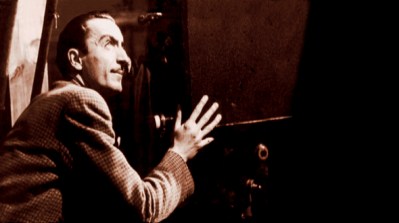
bava-at-camera

Mario Bava is an Italian director who made dozens of genre films throughout the 60s and 70s. Bava is often associated with the wave of giallo films—strange, colorful and vibrant horror/thrillers—that flourished at the time. While Bava’s films share the often schlocky, low-budget aesthetics of the giallo, they showcase Bava’s elegant construction, boundless creativity and sophisticated camerawork. Read more…

Noah (2014)

Noah / Darren Aronofsky / 2014 / twostar

Active Ingredients: Dark thematic content; Creation sequence
Side Effects: Derivative visuals; Theatrical performances

The critical consensus on Darren Aronofsky’s big-budget, epic passion project seems to deem it an “interesting mess.” To me, Noah is neither. The film is actually quite cogent narratively, if a bit unpredictable, and it’s too bloated and oppressive to be very interesting. Aronofsky has injected the biblical story with darkly psychological undercurrents involving faith, duty and the questionable morality of mankind, but all of this is drowned beneath uninspired CGI and familiar production design. Read more…

Nymphomaniac: Volume II (2014)

Nymphomaniac: Volume II / Lars von Trier / 2014 / onestar

Active Ingredients: Charlotte Gainsbourg and Stellen Skarsgard
Side Effects: Shallowness, cruelty and preposterousness

[Read my review of Nymphomaniac: Volume I here.]

Nymphomaniac: Volume II reveals the shallowness of Lars von Trier’s saga of emotional and sexual depravity that probably existed all along. And yet I feel that my reaction to the completed work would be substantially different if I had seen it in its original form, longer and as a single film. As it stands, however, Volume II eschews the formal and narrative playfulness of the first installment and veers Joe’s story in directions either impotent, regressive, or simply ludicrous. Read more…

The Grand Budapest Hotel (2014)

The Grand Budapest Hotel / Wes Anderson / 2014 / fivestar

Active Ingredients: Ralph Fiennes; Energy and fast pace; Comedy
Side Effects: Emotional shorthands; Dense plot

Like all of director Wes Anderson’s seven previous features, The Grand Budapest Hotel is an intricate piece of machinery, a minutely calibrated work bursting with detailed design and obsessive symmetry. Like the best of Anderson’s work—among which this film surely belongs—it also demonstrates a masterful command of formal technique, a thoughtful marriage of style and content, and moments of sincere, affecting poignancy. Read more…

Quick Takes – Mar. 14, 2014

Some quick thoughts from a week’s worth of viewing, encompassing silent comedy, space documentaries and whatever type of thriller The Counselor is.

1454938548124894568

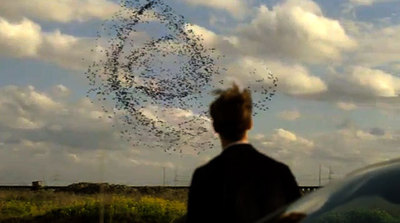
True Detective / Cary Fukunaga / 2014 / fivestar

The first season of HBO’s True Detective was a surprising, moody, and suspenseful elevation of the police procedural drama. While there are some minor shortcomings in the development of the mystery’s many details (and their thematic ramifications), the series was an embarrassment of riches, boasting flawless performances from Matthew McConaughey and Woody Harrelson, bold and effective directorial choices and a compelling setting in the Louisiana delta. Still, the best element of the show are the rich characters writer Nic Pizzolatto creates and the drama of philosophical pessimism they enact. Read more…

Nymphomaniac: Volume I (2014)

Nymphomaniac: Volume I / Lars von Trier / 2014 / threestar

Active Ingredients: Visual metaphors; Dark humor; Theme of storytelling
Side Effects: Questionable accents; Pacing of longer scenes

[Nymphomaniac: Volume I is available now on FlixFling and other VOD services.]

From the title of Lars von Trier’s new film, it seems clear that this project fits the mold he’s established of edgy subject matter and a confrontational style. After all, it’s not only called Nymphomaniac, it’s also broken into two volumes totaling four hours. And while typically von Trier’s provocations neither offend nor inspire me, I was surprised by just how nimble and playful Volume I of this epic of sex and self-loathing feels. Read more…

Quick Takes – Mar. 7, 2014

Some quick thoughts on six random films I recently caught up. From 1933 to 2013, from musicals to art cinema, these films cover a lot of ground.

The Wind Rises / Hayao Miyazaki / 2013 / fourstar

The last film from Japanese animation giant Hayao Miyazaki, The Wind Rises is a gorgeous and elegant look back at a life from the clarity and remove of old age. Although the film is ostensibly a biopic of the Jiro Horikoshi, the inventor of the Zero planes used in WWII, Miyazaki is more interested in quietly observing the beautiful (and painful) things in life than considering the devastating impact of Horikoshi’s invention. And indeed, Miyazaki’s eye is unerring, singling out visual details that move us and wound us with the power of Ozu. Read more…

All Quiet on the Western Front (1930)

All Quiet on the Western Front / Lewis Milestone / 1930 / fivestar

Active Ingredients: Battle sequences; Episodic structure
Side Effects: Melodrama; stylistic flatness

Despite the more than 80 years and far too many wars that separate today’s viewers from Lewis Milestone’s All Quiet on the Western Front, the film’s visceral portrayal of the horrors of war still resonates powerfully to this day. If other moments from the film can feel a bit stilted and stylistically flat to modern audiences, they are far surpassed by the raw graphical power of Milestone’s imagery. Read more…